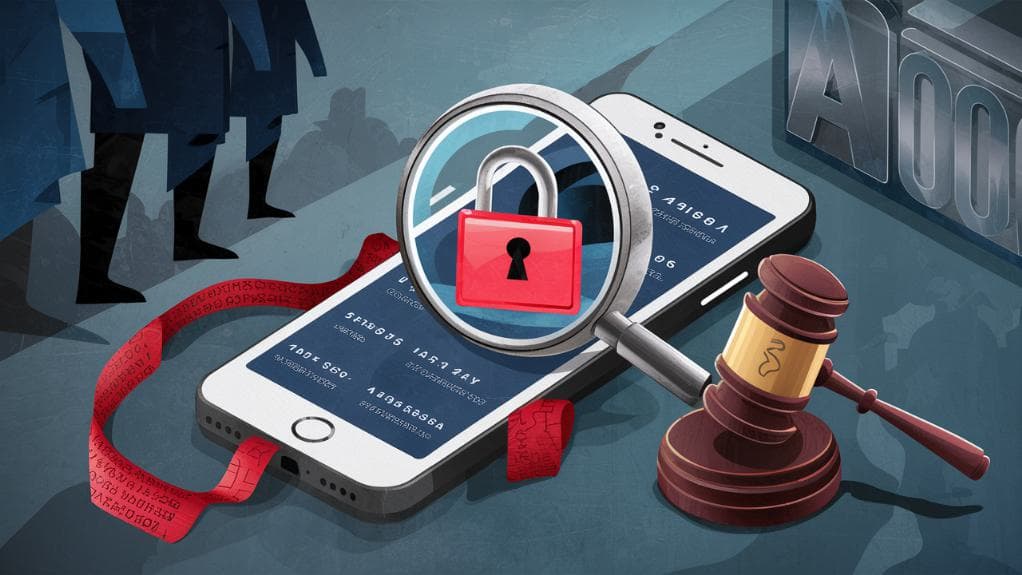
Legal Restrictions on Phone Number Searches?
Key Takeaways:
- Legal restrictions protect privacy for phone number searches. Consent usually required.
- Data protection laws govern collection and use. Exceptions for law enforcement and emergencies.
- Unauthorized searches may incur penalties. Companies must comply with regulations.
- Digital rights and legislation shape restrictions. Understand ethical considerations and risks.
- Stay informed about rights and legal changes as privacy concerns grow.
Overview of Phone Number Privacy
Your phone number serves as a gateway to your personal information in our interconnected world. Safeguarding this data has become crucial as technology evolves. Unauthorized access to your number can expose you to various risks, including unwanted contact and potential identity fraud.
The legality of phone number searches differs across regions, with many areas mandating consent for obtaining and utilizing this information, particularly for business-related purposes.
Recent legislation has bolstered protections surrounding phone number data collection and usage. You possess the right to maintain the privacy of your number, and unsanctioned lookup searches may lead to legal repercussions. Reverse phone lookup benefits can still be utilized with proper consent and authorization. By obtaining permission to access someone’s phone number through a legitimate means, individuals and businesses can benefit from the ability to connect with others and verify the identities of unknown callers. These legal and consensual methods of phone number lookup can help to build trust and maintain privacy for all parties involved.
Exercise caution when sharing your phone number and familiarize yourself with your rights. If privacy concerns arise, consider employing protective services or seeking guidance from relevant authorities to secure your personal data effectively.
Legal Frameworks Governing Searches
A complex legal landscape governs the permissibility and scope of phone number searches. The Fourth Amendment provides foundational protection for personal data privacy. Publicly available information is generally accessible, but using it for harassment is prohibited. Laws can vary by jurisdiction, so understanding local legal frameworks is crucial.
Important considerations:
- Privacy expectations for information shared with phone providers are affected by established legal principles.
- Recent court decisions have set significant precedents for digital data privacy.
- Regulations governing commercial use of phone number data may be more stringent in certain areas.
When performing phone number searches, awareness of legal boundaries is essential. While some information is accessible, respecting others’ privacy rights is crucial to avoid legal repercussions.
Consent and Data Protection
Informed agreement forms the foundation of regulations governing personal information searches. Individuals have the authority to control how their data is utilized. Entities must secure explicit permission before gathering or handling contact details. This principle applies across various jurisdictional frameworks.
| Permission Requirements | Outcomes |
|---|---|
| Clear affirmation | Regulatory adherence |
| Transparent disclosure | Penalty avoidance |
| Uncoerced decision | Individual privacy |
| Revocation right | Halt data usage |
Neglecting to acquire proper authorization can lead to substantial sanctions for organizations. Importantly, individuals retain the ability to rescind their permission at any time, compelling entities to cease processing their information. These regulatory measures aim to safeguard personal autonomy and confidentiality in the modern era. Staying informed about one’s rights and the usage of personal data is crucial for maintaining control over one’s information.
Exceptions to Search Restrictions
Several scenarios exist where authorities may access phone number information without adhering to standard legal protocols, potentially affecting individual privacy rights. These include:
- Urgent situations involving potential evidence destruction
- Circumstances where human life is in immediate danger
- Matters concerning national security
During lawful arrests or with explicit consent, law enforcement can obtain phone numbers. However, individuals retain the right to withdraw consent at any point.
The Third-Party Doctrine enables authorities to acquire phone numbers from service providers without obtaining a warrant.
While these provisions aim to safeguard public welfare, they simultaneously diminish privacy protections. Familiarity with these exceptions empowers individuals to better understand their rights when interacting with law enforcement and make informed choices regarding the sharing of their phone number information.
Penalties for Unauthorized Searches
Unauthorized access to personal information can result in significant legal repercussions. Individuals may face criminal charges ranging from misdemeanors to felonies, depending on the nature and extent of the violation. Various laws protect personal data, and breaches can lead to substantial financial penalties.
| Violation | Consequence | Potential Outcome |
|---|---|---|
| Improper use of data | Financial penalties | Monetary losses |
| Multiple infractions | Criminal prosecution | Possible felony conviction |
| Personal information abuse | Legal repercussions | Protective orders |
Fines for unauthorized access can reach thousands of dollars per incident. Affected parties may pursue legal action, resulting in protective orders or other judicial measures. Repeated offenses increase the likelihood of law enforcement involvement and can have long-lasting impacts, including a permanent criminal record. Adhering to privacy regulations is crucial to avoid these severe consequences.
International Phone Privacy Laws
Regulations governing telecommunications privacy differ significantly worldwide. Many jurisdictions have implemented robust protections for personal data, including phone numbers.
European Union, Canadian, and Australian laws mandate consent for gathering and utilizing personal information. In the United States, California residents enjoy specific rights regarding their data.
Key considerations for phone number databases and lookup services:
- Consent requirements for marketing communications in numerous countries
- Individual rights to access and rectify personal information
- Potential legal consequences for misuse of phone numbers
It’s crucial to understand and comply with applicable laws when handling or accessing phone number data internationally.
Corporate Compliance Requirements
Organizations conducting telephone number inquiries must navigate a complex regulatory landscape. This includes obtaining consent for automated communications and adhering to telemarketing restrictions.
When using such inquiries for credit-related purposes, information must be accurate and up-to-date. For data belonging to European Union residents, explicit consent and robust data protection measures are mandatory.
Informing consumers about data collection practices and providing opt-out options for data sales is crucial. Adherence to state-specific privacy laws governing contact information handling is also necessary.
These regulations serve to safeguard individuals’ personal data, including telephone numbers and financial details, from unauthorized access or use.
Digital Rights and Regulations
The landscape of phone number searches is increasingly shaped by evolving digital rights and regulations. Varying laws across jurisdictions impact how cell phone data can be accessed and used. As a result, companies that provide phone number search services must navigate a complex web of regulations to ensure compliance. In some areas, individuals have the right to request that their personal phone numbers be removed from public directories, impacting the availability of information for phone number searches. Additionally, the rise of privacy-focused technology has further complicated the landscape of phone number searches, as consumers become more aware of the potential risks associated with having their personal information accessible.
In the United States, constitutional protections guard against unreasonable searches, while specific legislation restricts telemarketing calls. European regulations impose strict rules on personal data processing.
Key points:
- Certain state residents have enhanced privacy rights
- Consent is required for automated dialing systems
- New legislation continues to address privacy concerns
Understanding personal rights regarding phone number searches is crucial as regulations evolve. While search engines may provide some information, they operate under legal restrictions.
Those facing issues related to phone number searches or concerned about their digital rights may benefit from legal counsel to navigate the complex regulatory environment and safeguard their freedoms.
Evolving Legislation on Data Access
The landscape of data protection continues to shift as lawmakers grapple with balancing individual privacy and public safety concerns. Recent legislative efforts have imposed stricter regulations on how companies handle personal information, including phone numbers.
Constitutional protections still play a crucial role in governing law enforcement access to device data, typically requiring probable cause and a warrant. Many state legislatures are proposing bills that prioritize user consent for data sharing with third parties.
The push for comprehensive federal privacy laws has gained momentum, drawing inspiration from international standards. As this field develops, individuals can anticipate further refinements in the safeguarding of personal data, including phone numbers, while authorities seek to maintain necessary investigative capabilities within legal bounds.
Ethical Considerations in Searches
Ethical Considerations in Information Searches
When conducting information searches, several key ethical considerations should be taken into account:
- Balance between privacy rights and information needs
- Potential for misuse of obtained data
- Critical assessment of search intentions
Important points to remember:
- Maintain respect for others’ privacy and avoid malicious information sharing
- Understand the risks associated with harassment and identity theft
- Utilize search services responsibly and within ethical boundaries
As technology advances, the ethical implications of data mining and personal information accessibility become increasingly complex.
Users bear responsibility for ensuring their actions don’t infringe upon others’ privacy rights.
Before engaging in information searches, carefully evaluate motivations and potential consequences.
Ethical considerations play a crucial role in maintaining equilibrium between freedom of information and protection of individual privacy.
Conclusion
You’ve learned about the legal landscape surrounding phone number searches. Remember, privacy laws protect individuals’ data, but exceptions exist. Always obtain consent before searching someone’s number. Be aware of penalties for unauthorized searches. Stay informed about evolving regulations and corporate compliance requirements. Consider the ethical implications of your actions. As technology advances, it’s essential to balance the need for information with respect for privacy rights. Follow the law and use phone number searches responsibly. Additionally, be mindful of privacy risks associated with conducting phone number searches. Sharing or accessing personal information without consent can lead to breaches of privacy and potential legal consequences. It’s important to prioritize the protection of individuals’ personal data and to only utilize phone number searches in a legal and ethical manner. Always consider the potential impact on individuals’ privacy when utilizing this type of information.